June 21, 2026
Modern living relies heavily on temperature control systems to provide a comfortable indoor environment, especially during the sweltering months of summer. As global temperatures continue to climb, ensuring that these cooling systems operate at maximum capability becomes less of a luxury and more of a necessity. Routine attention to your cooling system prevents sudden breakdowns, minimizes monthly energy bills, and protects your long-term financial investment.
Neglecting the routine care of your cooling system can lead to a cascading series of mechanical failures and a sharp decline in operational efficiency. When the internal components are forced to work under strain, the entire system consumes far more electricity to achieve the desired indoor temperature. Incorporating a strategy for regular air conditioner maintenance ensures that your home remains a sanctuary of cool air while keeping operational costs as low as possible.
Cleaning and Replacing Filters
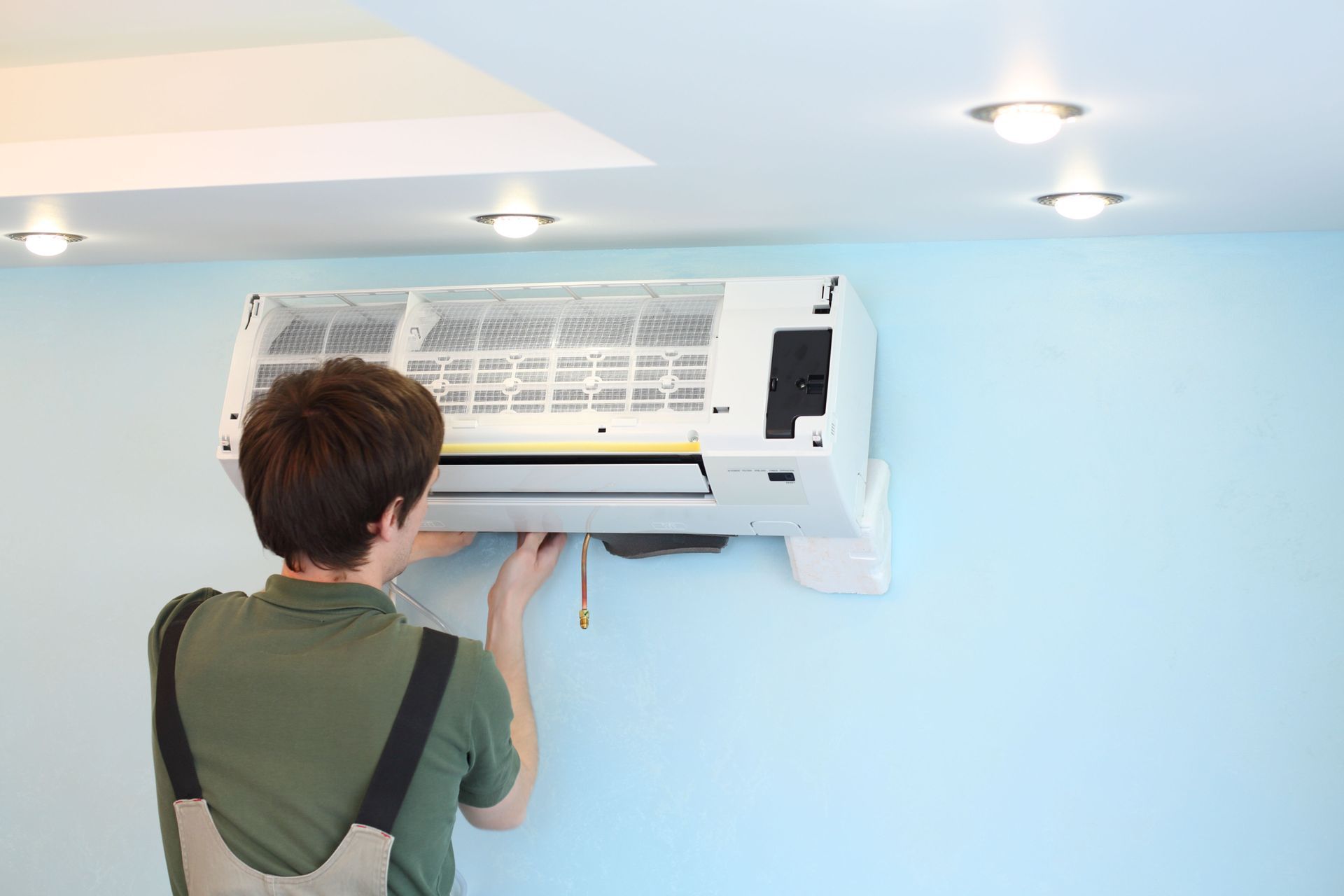
Filters play a crucial role in maintaining healthy indoor air quality and upholding the overall efficiency of your cooling system. Over weeks of continuous operation, these components capture a vast amount of airborne particles, including dust, pet dander, and pollen. When a filter becomes completely clogged, it creates a physical barrier that restricts the natural movement of air through the system. This restriction forces the fan motor to consume more electricity to pull air through the blockage, which degrades overall performance and spikes your utility costs. According to Real Simple, a well-maintained central air conditioner will last between 10 and 15 years, and a window unit will last eight to 10 years. Keeping filters clean is one of the simplest and most effective steps towards achieving this durability and efficiency.
Failing to manage these components properly is one of the most frequent causes of system inefficiency and poor indoor air quality. Different systems utilize varying types of filtration material, from basic fiberglass options to advanced pleated variations designed to trap smaller allergens. Regardless of the specific type installed in your home, establishing a consistent schedule for checking the cleanliness of these items prevents unnecessary mechanical strain. Regular air conditioner maintenance must include inspecting these pieces every one to three months, depending on your household environment and how frequently the system runs. Replacing or refreshing these items on time guarantees that airflow remains entirely unobstructed, keeping the internal environment of your system free from debris accumulation.
Calibrating and Upgrading Thermostats
The thermostat acts as the central command center for your entire cooling network, dictating exactly when the system cycles on and off. If this device is miscalibrated or poorly positioned, it will gather inaccurate data regarding the actual ambient temperature of the room. This accurate reading failure can cause the cooling system to short-cycle, turning on and off too frequently, or to run continuously without ever reaching the desired comfort level. Such erratic behavior places an immense amount of unnecessary stress on the compressor and fan motors, which rapidly shortens the operating life of your equipment. Ensuring that this control mechanism is operating correctly is a foundational element of effective air conditioner maintenance.
Upgrading an ancient manual slider model to a modern programmable option offers an excellent way to regulate energy consumption automatically. These advanced devices allow you to establish customized schedules that align perfectly with the daily movements of your family. You can program the system to allow the indoor temperature to rise slightly while the house is completely empty during the workday, and then lower it to a comfortable level just before everyone returns home.
Inspecting and Cleaning Coils
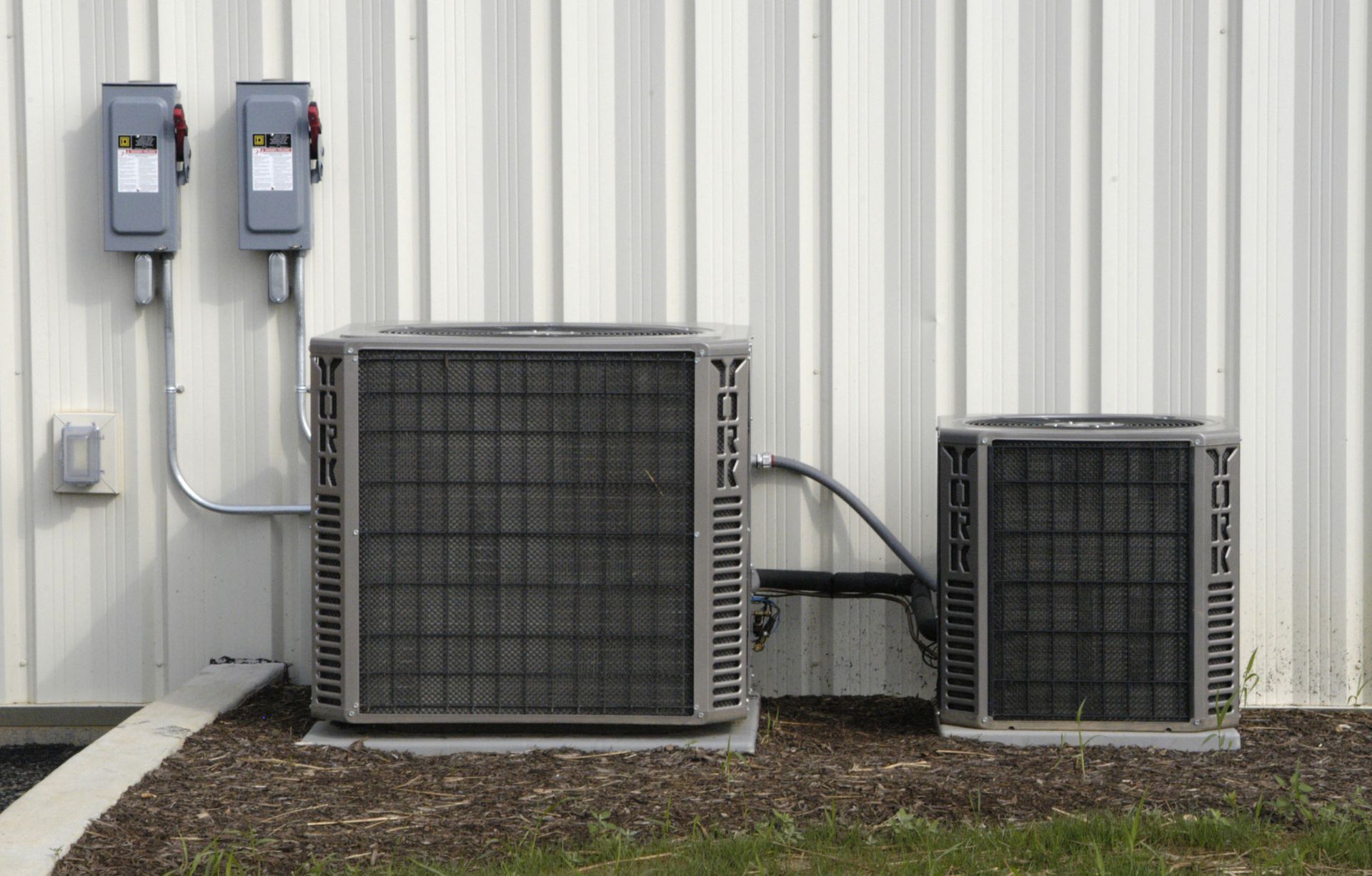
The internal evaporator coils and external condenser coils are responsible for the critical heat transfer process that makes indoor cooling possible. The indoor coils absorb heat from the air inside your living spaces, while the outdoor coils reject that accumulated heat into the surrounding environment. Because the outdoor unit is completely exposed to the elements, it naturally accumulates a layer of dirt, leaves, grass clippings, and outdoor debris over time. When a layer of grime coats these metal surfaces, it acts as an insulating blanket that prevents the efficient transfer of thermal energy.
Recognizing the signs of dirty coils is essential for preventing catastrophic component failure during peak summer heat waves. If you notice that the air blowing from your vents feels lukewarm, or if your energy bills suddenly skyrocket without a corresponding change in usage patterns, dirty coils are a highly probable cause. The physical blockage of airflow across the indoor coils can even cause the system to freeze over completely, turning into a solid block of ice that cuts off all cooling capabilities. Incorporating professional coil inspections into your annual air conditioner maintenance routine ensures that these vital heat exchange surfaces remain completely clean and free of obstructions.
Balancing and Monitoring Airflow
Adequate and balanced airflow is the lifeblood of any centralized cooling system, ensuring that conditioned air reaches every corner of your home uniformly. When supply vents or return grilles are blocked by heavy drapes, large furniture arrangements, or interior decorations, the internal pressure balance of the ductwork is severely disrupted. This imbalance creates localized hot spots within specific rooms while causing other areas to become uncomfortably cold. Furthermore, restricted airflow increases the static pressure inside the duct network, which can exacerbate existing leaks and force conditioned air into unconditioned spaces like attics or crawlspaces.
Utilizing secondary air circulation tools can significantly enhance the effectiveness of your primary cooling infrastructure. Ceiling fans operating in a counterclockwise direction during the warmer months create a gentle wind-chill effect that makes a room feel cooler than the actual ambient temperature. This localized cooling sensation allows you to adjust your primary thermostat a few degrees higher without sacrificing personal comfort, thereby reducing the total runtime of your primary cooling equipment. Additionally, incorporating modern smart zoning technology can assist in directing air dynamically to the rooms that are currently occupied, optimizing energy use. Regular monitoring of how air moves through your living space forms a vital pillar of comprehensive air conditioner maintenance.
Checking Electrical Connections
The safe and reliable operation of a cooling system depends entirely on the integrity of its complex internal electrical infrastructure. Over time, the intense vibrations caused by the normal operation of the compressor and fan motors can gradually loosen terminal screws and wire connections. Loose electrical connections create increased resistance, which generates excessive localized heat and can cause wires to melt or short circuit entirely. Furthermore, exposure to fluctuating outdoor moisture levels can cause corrosion to develop on contactors and relays, leading to erratic system behavior or a complete failure to start when the thermostat calls for cooling.
Identifying potential electrical anomalies early can prevent dangerous operating situations, including localized electrical fires or permanent control board damage. Signs such as flickering lights when the cooling cycles begin, frequent trips of the main circuit breaker, or unusual humming noises from the electrical panel demand immediate expert attention. Attempting to inspect or alter high-voltage components without specialized training and proper diagnostic tools introduces extreme safety hazards. Entrusting these technical evaluations to qualified experts during routine air conditioner maintenance ensures that every wire, capacitor, and control board is metered and secured correctly.
When the cooling season concludes, taking the time to properly protect your equipment shields it from the harsh winter elements. Safeguarding the outdoor unit from heavy snow accumulation, falling ice, and blowing debris prevents physical damage to the delicate exterior housing and internal fan blades. Managing indoor humidity levels throughout the year also plays a major role in how comfortable your home feels and how hard your cooling system must work when it is active. Balancing moisture levels protects the interior structure of your home and supports the longevity of your equipment. Prioritizing these seasonal transitions through scheduled air conditioner maintenance keeps your system protected year-round. If you want to ensure your system remains in peak condition, contact Victory Heating and Cooling today to schedule a professional precision tune-up and safety inspection before the peak season begins.