May 21, 2026
Maintaining a comfortable and safe indoor environment during the winter months requires more than just a functional furnace or boiler. It demands a holistic understanding of how your property retains heat and how your mechanical systems respond to the stress of plummeting outdoor temperatures. When a heating unit begins to falter, the impact is felt immediately through declining air quality, rising utility costs, and a general sense of unease within the household. Addressing these concerns through professional oversight and strategic care ensures that your living space remains a sanctuary against the elements.
The complexity of modern climate control technology means that homeowners must remain vigilant regarding the operational health of their equipment. Small inefficiencies often mask larger mechanical failures that can lead to total system shutdowns at the most inconvenient times. By prioritizing the integrity of your heat source and distribution network, you protect your financial investment and the physical safety of those under your roof. A proactive stance on system health prevents the chaotic scramble for emergency assistance and allows for a more controlled, budget friendly approach to home management.
Understanding System Mechanics
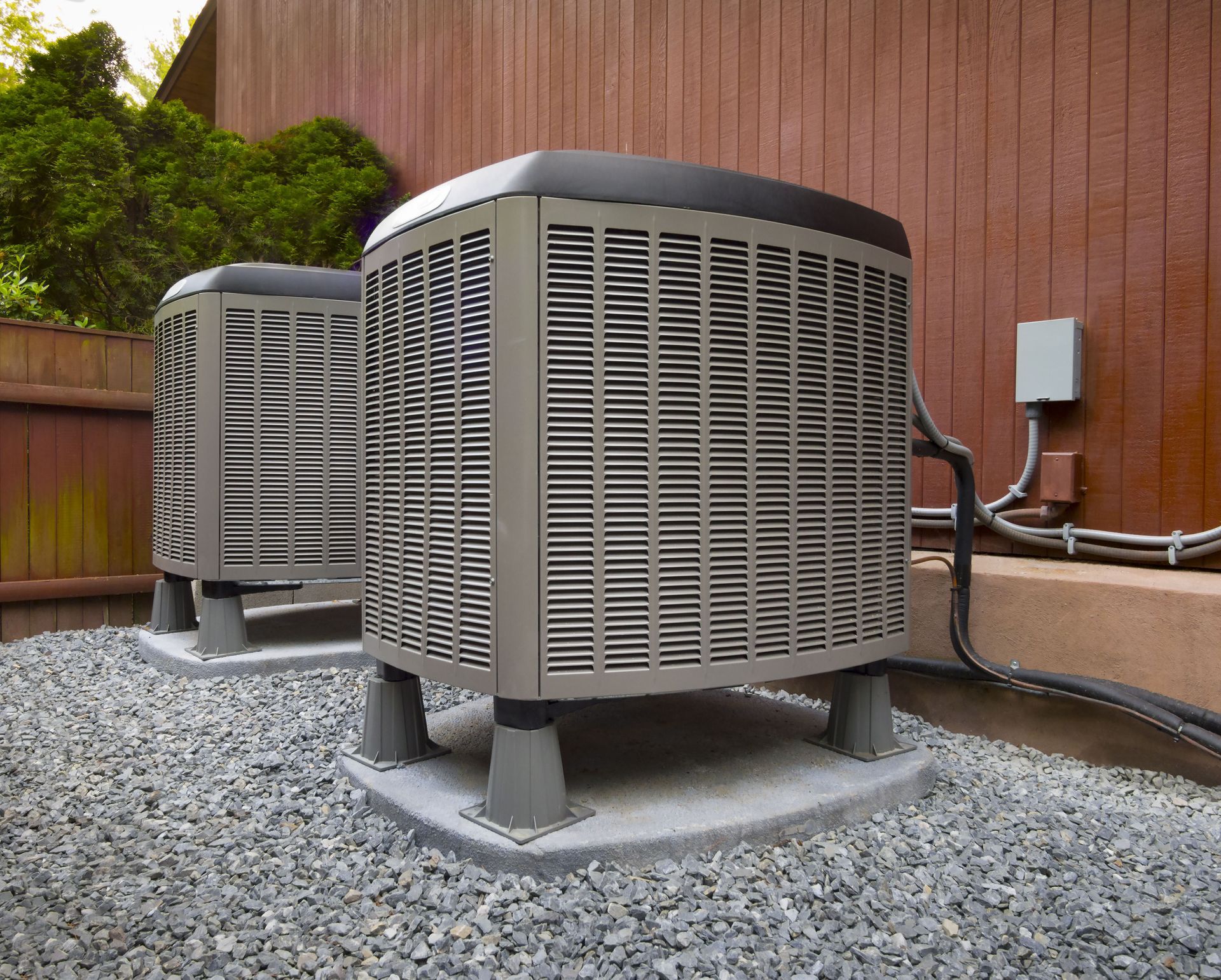
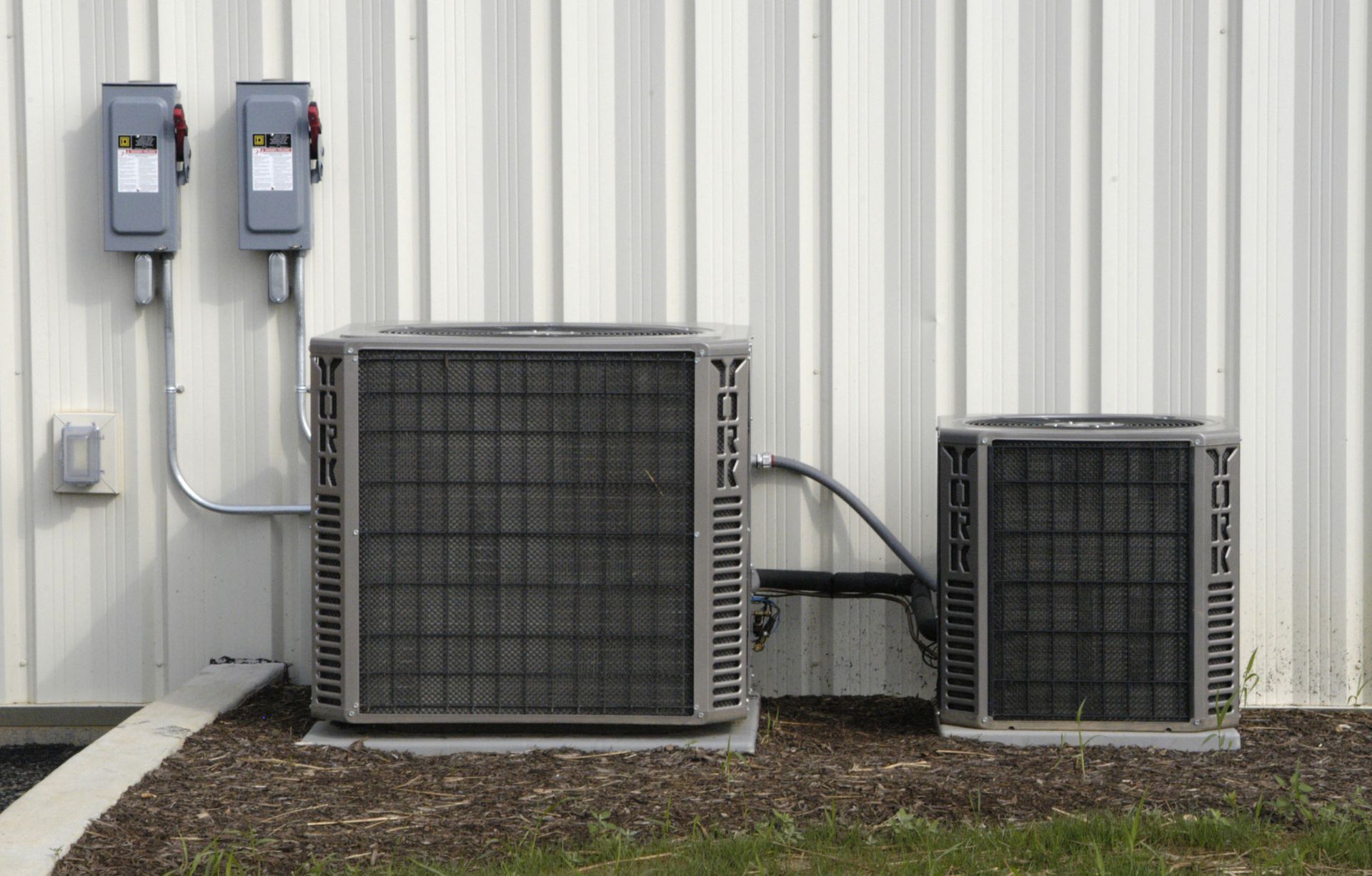
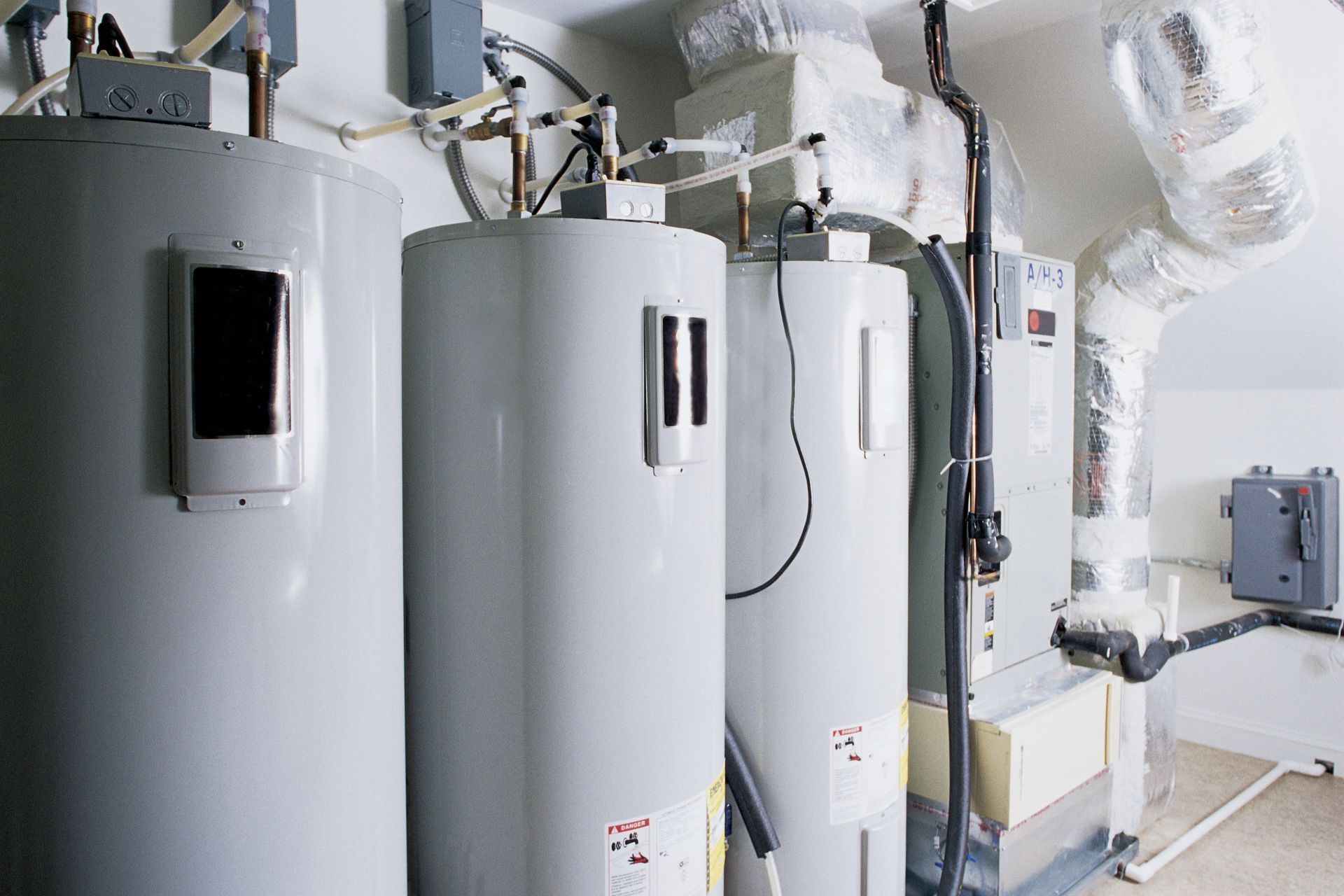
Navigating the nuances of residential climate control starts with a clear grasp of the specific hardware installed in your home. Whether your property utilizes a forced air furnace, a hydrologic boiler, or a modern heat pump, each system has a unique set of requirements for optimal performance. Understanding the basic cycle of heat generation and distribution allows you to recognize when the output does not align with the settings on your thermostat. This foundational knowledge is the first step in ensuring that minor mechanical hiccups do not escalate into the need for extensive heating repairs later in the season.
The distribution method, whether through metal ductwork or copper piping, plays a massive role in how efficiently energy is converted into warmth. If the path of travel for the heat is obstructed or compromised, the primary unit must work significantly harder to reach the desired temperature. This added strain leads to premature wear on motors, blowers, and heat exchangers. Keeping a watchful eye on the interaction between the central unit and the various rooms in your home helps you identify zones that may be underperforming due to mechanical fatigue or structural issues.
Identifying Early Warnings
Recognizing the subtle red flags of a failing heater is a skill that saves homeowners significant stress and money. You might notice that certain rooms feel drafty despite the system running constantly, or you might hear unfamiliar metallic clanking or persistent whistling coming from the mechanical room. These auditory and sensory cues are the voice of your machinery indicating that a component is slipping out of its intended operational range. Ignoring these signs typically leads to a cascading failure where one small part causes the breakdown of much larger, more expensive assemblies.
Economic indicators also serve as a vital warning system for those paying attention to their monthly expenditures. A sudden, unexplained spike in fuel or electricity consumption is often the first tangible evidence that a system is losing its efficiency. According to IBIS World, there are 114,157 Heating & Air-Conditioning Contractors businesses in the US as of 2024, highlighting the importance and accessibility of professional maintenance services. When your bills begin to climb without a change in the weather or your personal habits, it is a clear signal that the time for professional heating repairs has arrived to restore your system to its peak performance levels.
Optimizing Air Quality
Improving the air that circulates through your home is a critical aspect of maintaining a healthy living environment. Over time, the internal components of a heater can accumulate dust, dander, and other particulates that are then redistributed into every room. This not only affects the respiratory health of the occupants but also creates a physical barrier on sensors and heating elements that hinders the transfer of energy. Ensuring that the air pathways remain clear and the filtration systems are functioning as intended is a fundamental part of seasonal preparation.
Beyond just the mechanical components, the quality of the air is heavily influenced by the humidity levels maintained within the structure. Extremely dry air, common during the height of winter, can make a room feel colder than it actually is, leading many people to crank up the thermostat unnecessarily. By managing the moisture content and ensuring the air is free of pollutants, you create a more comfortable atmosphere that requires less energy to maintain. When the air remains clean and the humidity is balanced, the entire system operates with much less friction and resistance.
Protecting Structural Integrity
Securing the physical envelope of your home is just as important as maintaining the machinery that generates the warmth. Thermal bridges, such as poorly insulated attics or gaps around window frames, allow the expensive heat your system produces to bleed into the outdoors. This creates a constant tug of war between your heater and the external environment, a battle that the heater will eventually lose through mechanical exhaustion. Investing in high quality insulation and ensuring that all entry points are sealed helps keep the warmth where it belongs.
The relationship between the building and the heating unit is symbiotic, as a well-insulated home preserves the longevity of the furnace. When the structure holds heat effectively, the heating unit cycles less frequently, which reduces the number of start and stop motions that cause the most wear on electrical components. This synergy is the key to a long-lasting system that provides reliable service for decades rather than just a few years. Monitoring the physical condition of your home alongside your mechanical checks ensures a comprehensive approach to winter readiness and reduces the need for frequent heating repairs.
Prioritizing Professional Support
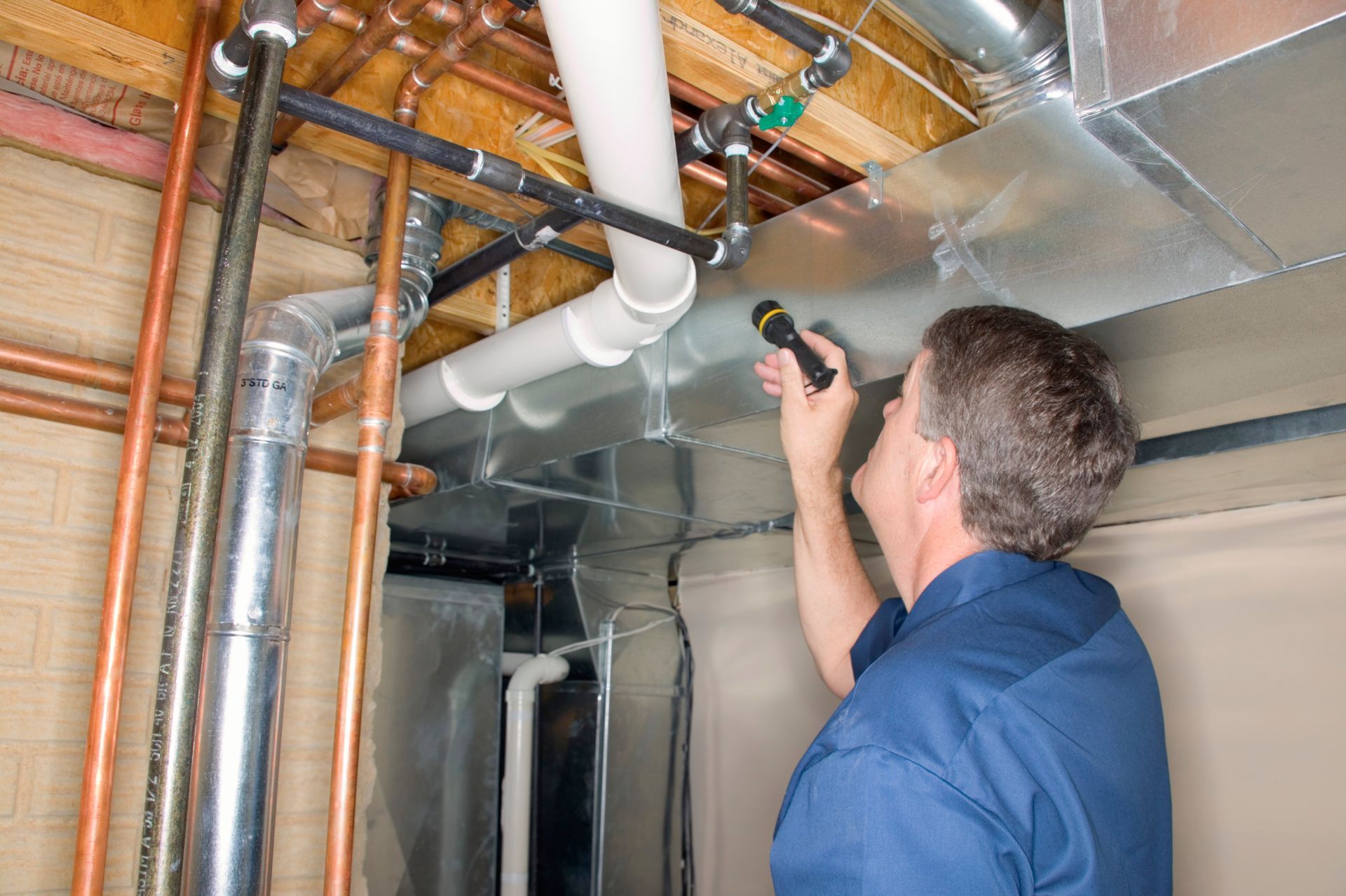
Consulting with a licensed technician for an annual assessment is the most effective way to guarantee the safety of your household. Many heating systems rely on the combustion of fuels, which carries the inherent risk of carbon monoxide leaks or fire hazards if the venting and burner assemblies are not perfectly calibrated. A professional has the diagnostic tools and the specialized training to detect these invisible threats long before they become life threatening. Relying on an expert for these high stakes inspections provides a level of certainty that cannot be matched by casual observation.
Furthermore, a certified technician can offer a detailed roadmap for the future of your home climate control. They can identify which parts are nearing the end of their lifecycle and help you plan for replacements in a way that avoids emergency situations. This long term planning is essential for maintaining the value of your property and ensuring that you are never left without heat during a deep freeze. Professional heating repairs handled by an expert ensure that all work meets local building codes and manufacturer specifications, which is vital for maintaining any active warranties on your equipment.
Scheduling Seasonal Care
Taking the initiative to book a service call before the peak of winter begins is a hallmark of a responsible property owner. As the temperature drops, the demand for technicians skyrockets, making it much harder to find a convenient appointment time. By arranging for a thorough inspection during the autumn, you ensure that your system is cleaned, calibrated, and ready for the heavy lifting required during the coldest months. This proactive timing allows for any necessary
heating repairs to be completed without the pressure of an impending snowstorm or the discomfort of a freezing interior.
Effective maintenance is about more than just fixing what is broken; it is about refining the system to work as smoothly as possible. A technician will lubricate moving parts, test the accuracy of the thermostat, and check all electrical connections for signs of corrosion or loosening. These small adjustments collectively result in a system that is quieter, more efficient, and far more reliable. When you are ready to ensure your home remains a warm haven all winter long, reach out to Victory Heating and Cooling to schedule your professional consultation and take the first step toward total peace of mind.