August 20, 2026
In the ever-changing climate, ensuring comfortable indoor temperatures year-round is vital. Air conditioner contractors play a crucial role in delivering consistent comfort and efficiency. This article delves into the expertise, services, and importance of professional air conditioning contractors.
1. Understanding the Role of Air Conditioner Contractors
1.1 Responsibilities Overview
Air conditioner contractors are indispensable figures in the modern household and business environments. Their responsibilities range from system installations to maintenance and repair services. Effective contractors ensure that cooling systems operate optimally to provide maximum comfort and efficiency. Given the complexity of HVAC systems, contractors must possess a deep understanding of both electrical and mechanical aspects. Their expertise can significantly impact a system's performance, ensuring long-term effectiveness and client satisfaction.
1.2 Technical Skills Required
To excel in this field, air conditioner contractors must possess a variety of technical skills. These include fluency in mechanical systems, electrical systems, and comprehension of HVAC blueprints and schematics. Furthermore, contractors need problem-solving skills to diagnose and rectify issues efficiently. Continuous education is vital as technology and systems evolve rapidly. Developing these competencies ensures contractors remain crucial in maintaining comfort for both residential and commercial clients.
1.3 Certifications and Credentials
Certifications and credentials are pivotal for air conditioner contractors seeking recognition and credibility. Holding certifications from recognized institutions like North American Technician Excellence (NATE) can distinguish contractors from their peers. These credentials indicate that a contractor is up-to-date with current industry standards and practices. Many states mandate licenses for HVAC professionals, underlining the importance of adherence to safety and technical regulations. Therefore, obtaining proper certifications is not just beneficial but necessary for lawful and effective practice.
1.4 Importance in HVAC Systems
In the broader HVAC domain, air conditioner contractors play an essential role. Their contributions affect the overall performance and efficiency of heating, ventilation, and air conditioning systems. Professionals in this field are pivotal in maintaining the delicate balance between technological efficiency and environmental impact. Contractors ensure that systems are energy-efficient, reducing costs while maximizing performance. The presence of skilled contractors can significantly shape the experience of indoor climate management.
1.5 The Impact on Home Comfort and Efficiency
The influence of a reliable contractor extends well beyond installation and repairs to enhancing home comfort and efficiency. Proper installation and maintenance mean air conditioning systems provide consistent temperature control, enhancing indoor living conditions. The contractor's skill in optimizing system performance directly correlates with reduced energy consumption and lower utility bills. With nearly 88% of US households using air conditioning, efficient systems drastically improve the quality of life and environmental footprint. Subsequently, this reinforces the perception of a contractor's role as integral to modern living.
2. Types of Air Conditioning Systems
2.1 Central Air Conditioners
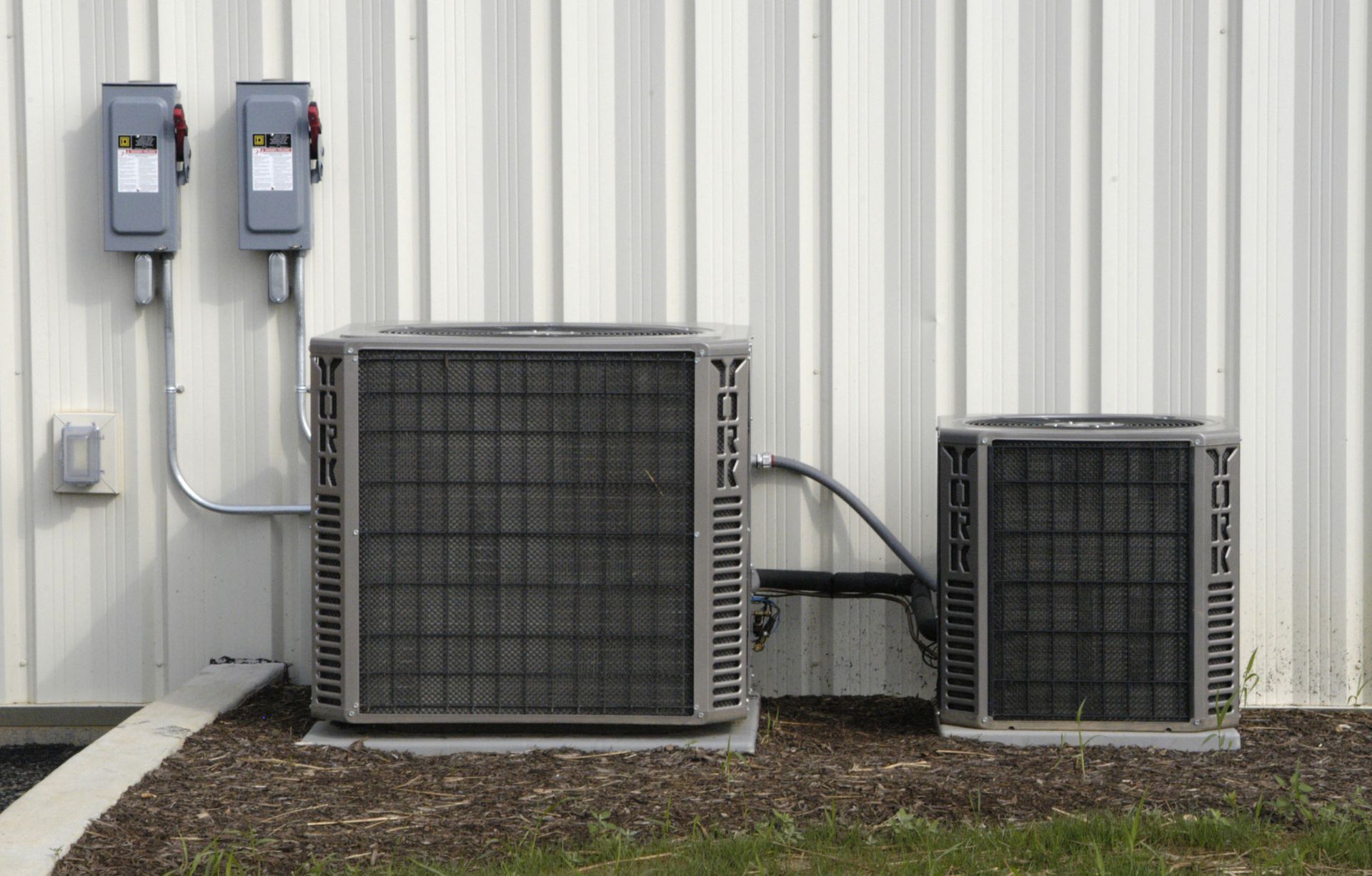
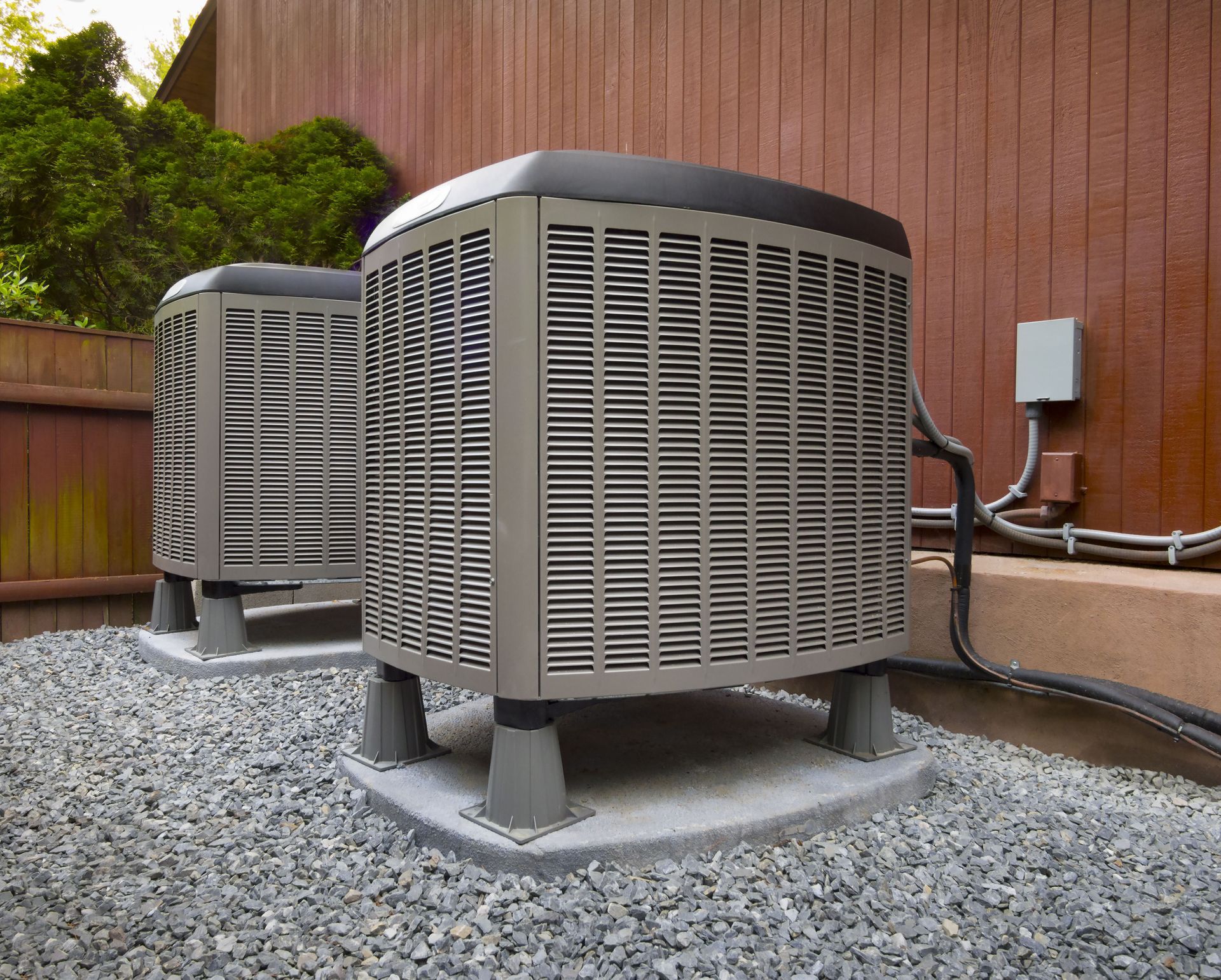
Central air conditioners are among the most common AC systems used in modern homes. This type of system circulates cooled air through a duct system located in walls or ceilings. Typically, a central unit combines the functions of a compressor, condenser, and evaporator to ensure an even distribution of cool air throughout a dwelling. Central air systems are ideal for cooling large spaces, providing uniform temperatures in multiple rooms. They also often work in concert with heating systems, commonly seen in two-thirds of US households relying on central AC or heat pumps.
2.2 Ductless Mini-Split Systems
Ductless mini-split systems offer a flexible and efficient cooling solution, especially for homes without existing ductwork. These systems consist of an outdoor compressor and indoor air-handling units, connected by a conduit. Mini-splits provide the advantage of customized temperature control in different zones or rooms. The absence of ductwork reduces energy losses and offers a simpler installation process compared to central systems. Given their versatility, mini-splits are excellent for retrofitting older homes and areas that need targeted cooling.
2.3 Window Units
Window air conditioners are a popular, cost-effective choice for individual room cooling. These units are compact and self-contained, fitting within a window frame or a designated wall space. Easy installation and affordability make window units ideal for renters and those seeking immediate cooling solutions. However, they are typically less energy-efficient than central or mini-split systems. Despite this, their quick cooling abilities and ease of installation continue to make them a viable option for many users.
2.4 Portable Air Conditioners
Portable air conditioners are as versatile as they are convenient. Unlike fixed systems, these units can be moved from room to room, providing temporary cooling wherever needed. Portables vent warm air through a window or a connection kit, requiring minimal installation effort. However, they tend to be noisier and less energy-efficient, suitable primarily for short-term use or supplemental cooling. Their mobility is a significant advantage for spaces that lack traditional air conditioning options.
2.5 Hybrid Cooling Systems
Hybrid cooling systems combine multiple energy sources to maximize efficiency and lower costs. These systems switch between electricity and gas depending on the demands of the space and the cost of energy. By utilizing multiple sources, hybrid systems can be adjusted for optimal energy efficiency and environmental impact. Smart technology enables these systems to automatically switch modes, providing consistent comfort while minimizing the carbon footprint. As the need for sustainable solutions grows, hybrid systems are becoming increasingly popular in energy-conscious households.
3. The Process of Air Conditioner Installation
3.1 Site Assessment and Evaluation
The foundation of a successful air conditioner installation begins with a thorough site assessment. A qualified contractor will evaluate the space to determine the appropriate system size and type. Factors such as room dimensions, window placement, insulation, and current HVAC infrastructure impact the evaluation. A comprehensive evaluation ensures the selected system will operate efficiently, providing consistent comfort. Accurate assessments prevent issues such as insufficient cooling, which can lead to increased energy usage and costs.
3.2 Selecting the Right System
Choosing the right air conditioning system is crucial for fulfilling a household's cooling needs. The decision involves considering factors like home size, budget, and energy efficiency. Contractors play an advisory role, leveraging their expertise to recommend optimal systems based on specific requirements. This selection process should also account for future growth or changes in household needs. Through careful planning, homeowners can avoid the pitfalls of inadequate or overly complex systems.
3.3 Installation Best Practices
Implementing installation best practices ensures a long-lasting, efficient air conditioning system. Professional contractors follow rigorous procedures to install systems while minimizing disruptions to the household. Proper installation includes secure mounting, precise electrical connections, and correct refrigerant levels. Following standardized practices reduces the risk of system malfunctions and prolongs the unit's lifespan. Skilled contractors deliver high-quality installations, laying the groundwork for optimal system performance and reduced maintenance needs.
3.4 Post-Installation Testing and Adjustments
Once the installation is complete, post-installation testing is vital to verify the system's performance. Contractors will conduct a series of checks to ensure the unit is operating efficiently and safely. This includes evaluating airflow patterns, calibrating thermostats, and checking for leaks or defects. Necessary adjustments should be made to optimize the system's function based on initial testing outcomes. Post-installation follow-ups are important to ascertain customer satisfaction and fine-tune the system for specific environmental conditions.
Choosing an expert air conditioner contractor is vital for ensuring year-round comfort, efficiency, and peace of mind. Through understanding their role, assessing various systems, the importance of maintenance, and making informed choices, homeowners can enjoy optimal indoor conditions. Embrace the expertise of a professional to make every season comfortable and stress-free. According to Global Market Insights, approximately 88% of US households use air conditioning, with two-thirds relying on central AC or heat pumps as their primary cooling device. Be sure to reach out to Victory Heating and Cooling today to learn more about our professional air conditioner contractors!