October 24, 2026
As the air turns crisp and temperatures drop, ensuring your home remains warm and comfortable becomes a top priority. Your heating system serves as the heart of your home during the cold months, working tirelessly to provide a safe and cozy indoor environment. However, after sitting idle through the spring and summer, a system might not be fully prepared to handle the intense demands of winter. Ignoring subtle warning signs can lead to unexpected breakdowns, high utility bills, or compromised indoor air quality. Before the deep freeze sets in, taking time to assess your equipment can save you from an uncomfortable surprise. Partnering with experienced heating contractors ensures your system receives the care it needs to operate efficiently and reliably all season long.
Unusual Noises During Startup or Operation
A heating system should operate with a consistent, gentle hum. If you begin to notice strange sounds like squealing, banging, popping, or rattling, it is a clear indication that something inside the unit requires attention. Squealing noises often point to a worn or slipping belt, while banging or popping can indicate issues with gas ignition or expanding ductwork. Rattling might mean loose panels or components that need tightening. Ignoring these auditory cues can turn a minor fix into a major repair. Qualified heating contractors can diagnose the exact origin of these sounds and address the underlying issues before they cause significant mechanical damage.
Uneven Heating Across Different Rooms
Have you noticed that some rooms in your home feel uncomfortably cold while others are excessively warm? Uneven heat distribution is a common sign that your system is struggling to perform efficiently. This problem can stem from several causes, including clogged filters, leaky ductwork, or a failing blower motor. Cold spots in specific areas often signal that cold air is entering through unsealed drafts or poor insulation in those parts of the house. When air cannot circulate properly, your unit has to work much harder to maintain a stable environment, leading to unnecessary wear and tear. Scheduling an inspection with licensed heating contractors helps identify airflow bottlenecks and restores balanced warmth throughout every room in your house.
Spikes in Monthly Energy Bills
It is normal for heating costs to increase during colder months, but a sudden and dramatic jump in your energy bill without a corresponding change in usage is cause for concern. When internal components become dirty or worn out, the system must consume more fuel or electricity to produce the same amount of heat. This loss of efficiency directly impacts your wallet. According to Home Advisor, the average life span of a well-maintained furnace is about 15 to 25 years, but poor maintenance can drastically shorten this window and drive operating costs up. Professional heating contractors can perform thorough tune-ups to restore peak energy efficiency and help keep your utility expenses manageable.
Frequent Cycling On and Off
If your system turns on, runs for a brief minute, and then abruptly shuts off only to repeat the cycle a short time later, it is experiencing short-cycling. This rapid cycling prevents your living spaces from reaching the desired temperature and puts tremendous strain on critical components. Short-cycling can be triggered by restricted airflow, a malfunctioning thermostat, or an overheating heat exchanger. Because this pattern causes excessive wear and accelerates system degradation, prompt evaluation by certified heating contractors is necessary to restore proper operating cycles and safeguard your equipment.
Yellow or Flickering Burner Flame
For homes with gas-powered heating, inspecting the burner flame provides valuable insight into system health and safety. A healthy, efficiently burning gas flame should always be a steady blue color. If you observe a yellow, orange, or flickering flame, it indicates incomplete combustion. This condition means the fuel is not burning cleanly and could potentially produce carbon monoxide, a dangerous and odorless gas. Safety should always be the top priority when dealing with gas appliances. Knowledgeable heating contractors possess the instruments and expertise to adjust burner assemblies, ensuring safe operation and complete fuel combustion.
Poor Indoor Air Quality and Excessive Dust
Your heating equipment plays a major role in managing the air quality inside your living space. If you notice an unusual accumulation of dust on furniture shortly after cleaning, or if household members experience increased allergy symptoms, your system may be circulating airborne particles rather than filtering them out. Clogged air filters, dirty ductwork, and buildup within the unit reduce airflow and spread contaminants throughout the home. Regular maintenance from skilled heating contractors involves thorough cleaning and filter evaluations, helping your family breathe cleaner, healthier indoor air all winter long.
Persistent or Strange Odors
When turned on for the first time in autumn, a mild burning dust smell is relatively common and usually dissipates quickly. However, persistent odors or smells resembling burning plastic, metallic friction, or chemical fumes are major red flags. A burning electrical smell can indicate overheating wires or a failing motor, while a fuel odor points to potential leaks or ignition problems. Continuing to run a unit under these conditions poses serious risks to your property. Promptly reaching out to trained heating contractors ensures that electrical and fuel line hazards are resolved safely before regular use continues.
Thermostat Inaccuracy or Unresponsiveness
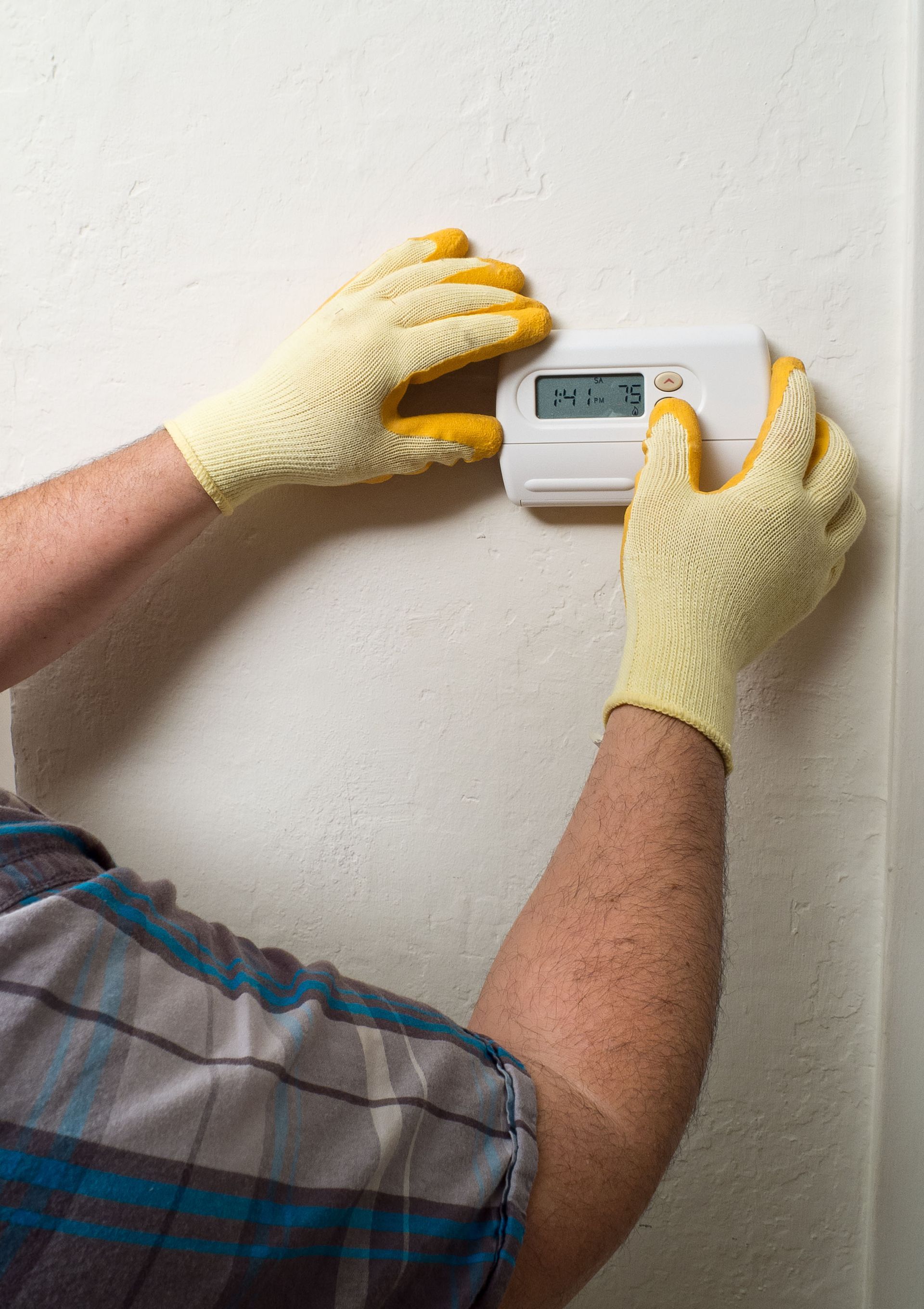
Sometimes the issue is not the heating unit itself, but the control system directing it. If your thermostat fails to accurately measure the ambient temperature or does not trigger the heat when set above the room temperature, your system cannot function properly. Outdated wiring, calibration issues, or internal component failures in the control unit lead to inconsistent performance and discomfort. Evaluating the connection between the controls and the equipment is a routine part of service visits conducted by professional heating contractors, ensuring your system responds accurately to every command.
Constant Water or Refrigerant Leaks
Discovering pooled liquid around your heating unit is never a good sign. Condensing furnaces produce moisture during normal operation, which is drained away through dedicated condensate lines. If these lines become clogged or cracked, water can back up and damage internal components or surrounding floor surfaces. For heat pump systems, fluid leaks can indicate refrigerant loss, severely limiting heating capacity. Water accumulation can also create an environment ideal for mold growth. Experienced heating contractors can quickly identify the leak source, clear blockages, and prevent costly water damage to your property.
System Age Exceeding Expected Lifespan
Equipment that has provided reliable service for many years eventually reaches a point where wear and tear outweigh performance capabilities. Older units often require frequent repairs, consume far more energy than modern models, and struggle to keep up with extreme winter temperatures. Keeping track of the age and maintenance history of your equipment is vital for planning future updates. Reliable heating contractors can evaluate your aging system, perform necessary tune-ups to extend its functional life, or guide you through selecting an energy-efficient upgrade tailored to your property.
Preparing your home for winter requires attention to the subtle signals your heating system sends. Recognizing issues like strange sounds, uneven warmth, rising energy bills, or frequent cycling early on allows you to address minor concerns before they turn into major cold-weather emergencies. Taking proactive steps ensures your household remains warm, safe, and comfortable throughout the winter months. For comprehensive maintenance, inspections, and complete peace of mind this winter, contact Victory Heating and Cooling today to schedule your system evaluation.